
Varna’s Eye

The eye sees far into the future, through aeons of turmoil,
catastrophic conditions that almost bleach the earth,
deadly viruses that wipe out insect life and birds,
sudden periods of lush growth and fecundity,
human survival as both animal and machine,
then more than human, then less. At the ages’ end
the eye sees the encroaching doom as a kind of blessing,
a natural conclusion, an event the eye desires to see.

In this curious natural history, it sees a question:
was this all ‘natural’? Was every drift toward decay,
every redevelopment of steel sheds or motorway,
housing estate or prison yard, every tree grubbed up
and chipped, every mammal skinned and stewed,
every insect apocalypse, was this all ‘natural’?

That spill of atomic waste, was that disaster or just
another factor in the evolution of the planet, its slow
progress toward its final entropy, as acceptable
as a song thrush in its nest, as the worm’s work,
as the petals of the field campion, as this
sole surviving tree, the eye sees on its periphery?Forensic poetics
In the summer of 2018 my wife Rosy and I went on holiday to Sicily where Manifesta 12 was taking place with the theme The Planetary Garden. Then in the autumn I had a fall while running across a busy main road in Brighton and broke the cheekbone on the left side of my face, repaired with a platinum plate.
At the same time, I was involved in both a local action group, protesting about the potential development of a small green space near where I live, and an eco-poetics workshop group that met once a week to develop collaborative work. I was also studying for an A/S in Italian. The set book I decided to study was Marcovaldo by Italo Calvino. This sequence of short stories features a character who lives in a city but longs for the remembered but perhaps idealised joys of Arcadian country living.
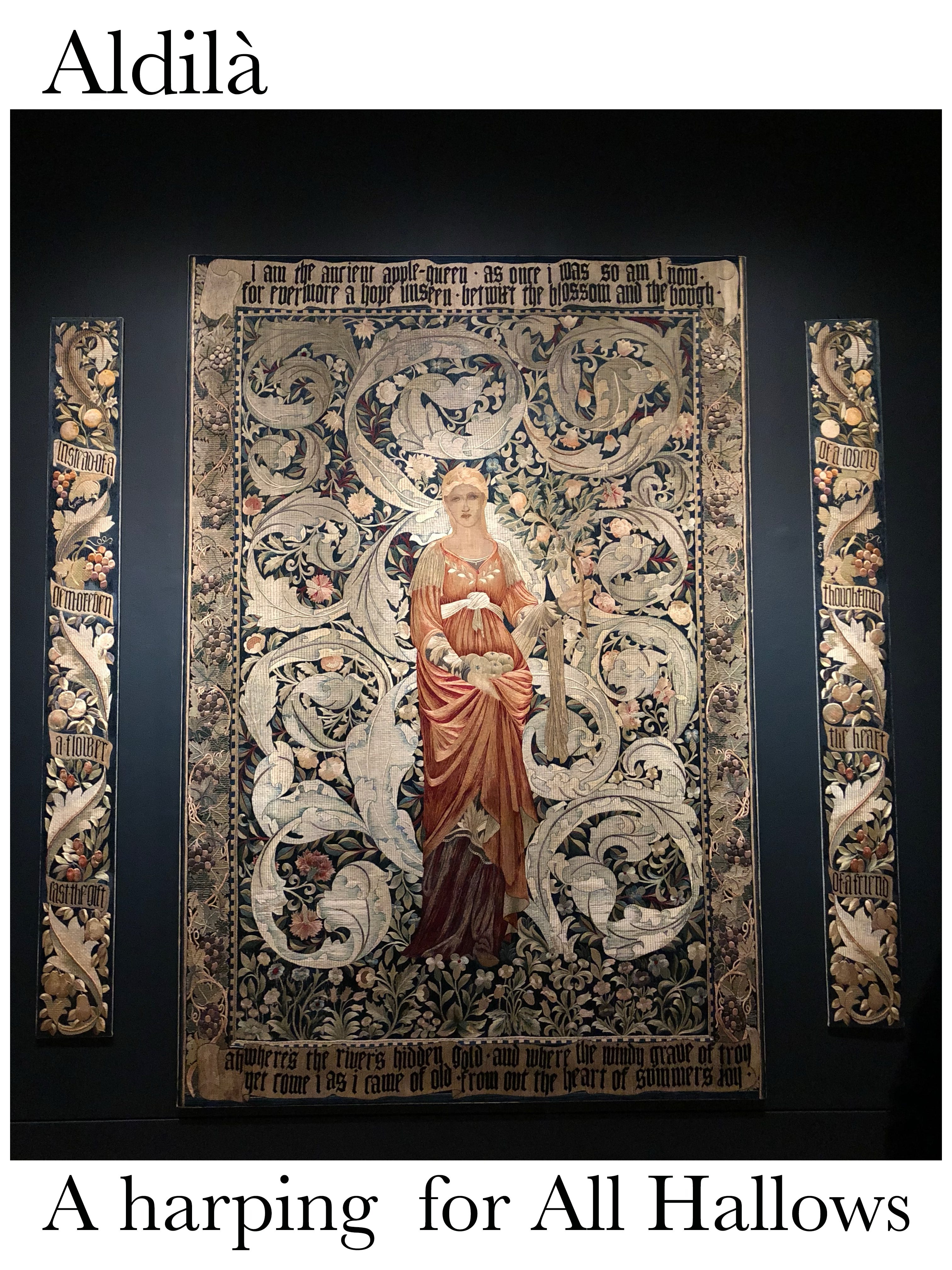
All came together to catalyse the texts of Aldilà, a harping for All Hallows.
Adoration

This adoration of countryside, fur, legs,
on this bright October morning
with the tree bark moist a-slither
the leaves lemon flame
the jay popping in the branches
windfalls for crumble—hey!
grab a dozen. The end of the world
is nigh. Make custard
while you still have time.
The painting Veduta di Palermo by Francesco Lojacono (1875) inspired Manifesta 12 Palermo to explore the idea of the garden and its capacity to embrace difference as a generative force, and to compose life out of movement and migration. In gardens, nature and culture collaborate, ecosystems negotiate coexistence with the foreign and the toxic. In the twenty-first century, the planetary garden can be seen as a place for humanity to experiment, to rethink its relationship with non-human agents and their needs, and thus to respond to the urgencies of the contemporary world in a shared endeavour of caring.
From Manifesta 12 Palermo Curatorial Concept
The Planetary Garden: Cultivating Coexistence
…what if it were possible for a work to be conceived beyond the self, a work that allowed us to escape the limited perspective of the individual ego, not only to enter other similar selves but to give voice to that which cannot speak—the bird perched on the gutter, the tree in spring and the tree in autumn, stone, cement, plastic…
From Six Memos for the Next Millenium Italo Calvino
Look out for more of Aldilà tomorrow…